R
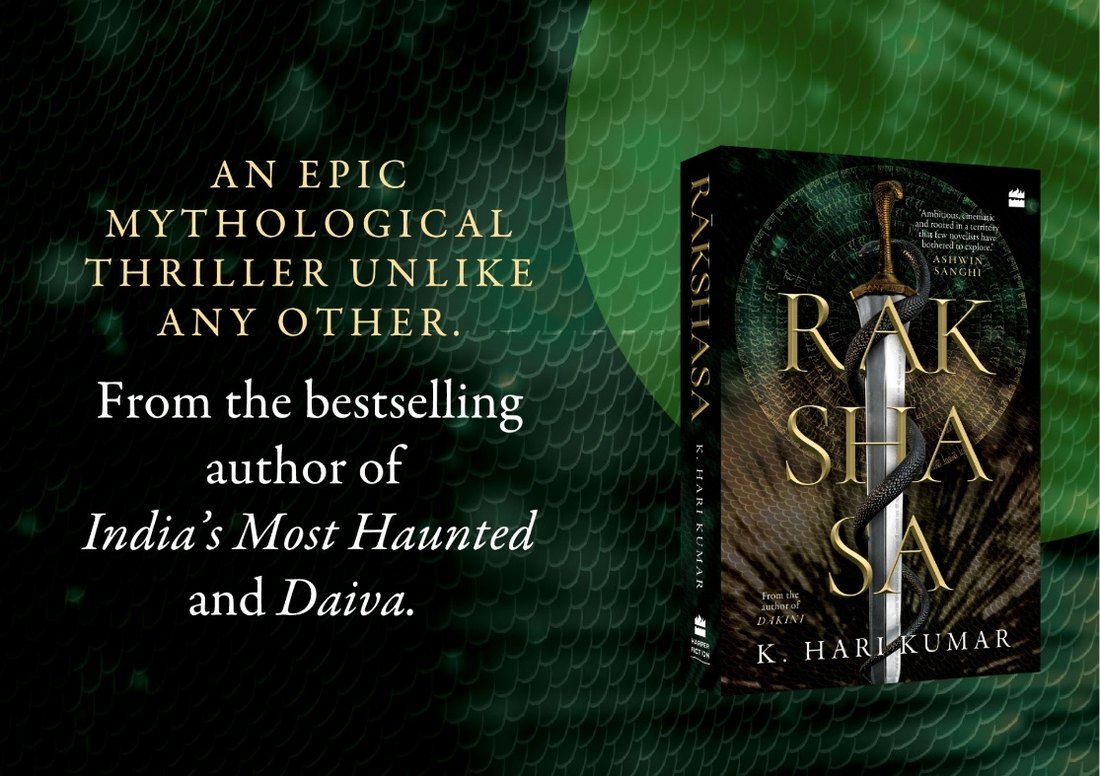
Rakshasa: The Quest for Shoonyakara
Official Reader’s Guide & Mythic Lexicon
Welcome to the companion guide for Rakshasa: The Quest for Shoonyakara (The Bhūta Trilogy, Part 1). It is written for readers, audiobook listeners and lore enthusiasts, and it gathers the mythic beings, ancient relics, hidden dimensions and Tulu folk traditions you will meet along the way.
Stressed syllables appear in CAPITALS, beside the Devanagari script for precise cadence.
1. Mythic Beings, Factions & Key Characters
| Term | Devanagari | Pronunciation | Context & Lore |
|---|---|---|---|
| Rakshasa | राक्षस | RAHK-shuh-suh | Ancient, primal demon; beings created by Brahma for cosmic protection who succumbed to chaos. |
| Rakshasi | राक्षसी | RAHK-shuh-see | Female Rakshasa (e.g., Shanaya). |
| Pishaacha / Pishacha | पिशाच | pi-SHAH-chuh | Gaunt, corpse-eating shadow-ghouls born from the void between worlds. |
| Ardhapishacha | अर्धपिशाच | UHR-dhuh-pi-SHAH-chuh | Human-corrupted half-blood Pishaacha. |
| Vairarakta | वैररक्त | vye-ruh-RUK-tuh | Primordial Rakshasa Lord imprisoned in the void-box; means Hostile / Vengeful Blood. |
| Rudra | रुद्र | ROO-druh / ROW-druh | Ancient warrior and demon slayer; a devoted champion of Shiva. |
| Rudrasena | रुद्रसेन | roo-druh-SAY-nuh | Ancient formal title of Rudra, meaning Commander of the Fierce Army. |
| Nāga | नाग | NAH-guh | Divine, intelligent serpent beings guarding subterranean portals. |
| Nāgaraja | नागराज | nah-guh-RAH-juh | Supreme serpent king ruling the subterranean realms. |
| Vāsuki | वासुकि | VAH-soo-kee | Snow-white King of the Nāgas bearing a golden Swastika on his hood. |
| Ananta Shesha | अनन्त शेष | uh-NUN-tuh SHAY-shuh | Colossal, thousand-hooded cosmic serpent upholding the foundations of Patala. |
| Nāgayaksha | नागयक्ष | nah-guh-YUK-shuh | Subterranean hybrids (half Naga, half Yaksha) guarding hidden vaults. |
| Kakabhushundi | काकभुशुण्डि | kah-kuh-bhoo-SHOON-dee | Immortal ash-grey crow with crimson eyes; ageless cosmic witness. |
| Daiva | दाइवा | DAH-ee-vah | Benevolent spirit deity venerated in coastal Karnataka / Tulunadu. |
| Bhuta | भूत | BHOO-tuh | Elemental spirit or ghost. |
| Preta | प्रेत | PRAY-tuh | Restless, wandering departed spirit; the unquiet dead. |
| Dakini / Dākini | डाकिनी | DAH-ki-nee | Esoteric guardian spirit; female attendant of cosmic forces. |
| Chiranjeevi | चिरञ्जीवी | chi-run-JEE-vee | Immortal, deathless entity destined to endure across cosmic yugas. |
2. Sacred Weapons, Relics & Ancient Scripts
| Term | Devanagari | Pronunciation | Context & Lore |
|---|---|---|---|
| Nāgadanta | नागदन्त | nah-guh-DUN-tuh | Serpent’s Fang; a 3-foot silver cobra-fanged sword forged by Shiva. |
| Shoonyakara | शून्याकार | SHOON-yah-kah-ruh | Zero-Shape / No-Form; the eternal void prison. |
| Vishapankhi | विषपङ्खी | vi-shuh-PUNG-khee | Cursed emerald relic emitting ultrasonic necrotic waves lethal to Nagas. |
| Grantha | ग्रन्थ | GRUN-thuh | Sacred, ancient bound scripture containing secret coordinates. |
| Nāgalipi | नागलिपि | nah-guh-LI-pi | Serpentine proto-hieroglyphic script known only to high initiates. |
| Tigalari | तिगळरी | ti-guh-LAH-ree | Ancient coastal script used for Sanskrit and Tulu manuscripts. |
| Sarpabetha | सर्पबेत्था | sur-puh-BAY-ttha | Sacred wooden staff crowned with a carved serpent hood. |
| Khadga | खड्ग | KHUD-guh | Sacrificial broadsword brandished by spirit oracles during rituals. |
| Bhurjapatra | भूर्जपत्र | BHOOR-juh-puth-ruh | Blackened birch-bark sheets used for ancient esoteric texts. |
3. Netherworlds, Dimensions & Metaphysical Concepts
| Term | Devanagari | Pronunciation | Context & Lore |
|---|---|---|---|
| Shoonyata | शून्यता | shoon-YUH-tah | The cosmic void of total nothingness between dimensions. |
| Pātāla | पाताल | pah-TAH-luh | Subterranean netherworld lying beneath the mortal crust. |
| Rasahrada | रसह्रद | ruh-suh-HRUH-duh | Toxic subterranean lake of liquid mercury; portal to Nagaloka. |
| Nāgaloka | नागलोक | nah-guh-LOH-kuh | Subterranean paradise-realm of the serpent deities. |
| Chhaayajaala | छायाजाल | chhah-yah-JAH-luh | Shadow-Web; the psychic hive-mind connecting Pishaachas and Rakshasas. |
| Dwija | द्विज | DVI-juh | Twice-Born; spiritually reborn heir carrying Rudra’s bloodline. |
| Martyaloka | मर्त्यलोक | mur-tyuh-LOH-kuh | The earthly realm of mortal humans bound by breath and time. |
| Pitru | पितृ | pi-TROO | Venerated ancestral spirits. |
| Kaayaparivartanam | कायापरिवर्तनम् | kah-yah-puh-ri-VUR-tuh-num | Physical possession or severe bodily transformation mirroring an entity. |
| Panchabhuta | पञ्चभूत | pun-chuh-BHOO-tuh | The five primordial elements: earth, water, fire, air and space. |
| Sthalapurana | स्थलपुराण | sthuh-luh-poo-RAH-nuh | Legendary regional chronicles detailing sacred temple histories. |
| Paradevatas | परदेवता | puh-ruh-DAY-vuh-tah | Supreme cosmic entities existing beyond mortal dimensional boundaries. |
4. Secret Orders & Sacred Geography
| Term | Devanagari | Pronunciation | Context & Lore |
|---|---|---|---|
| Sarpasangha | सर्पसङ्घ | sur-puh-SUNG-ghuh | Serpent Fellowship; 5,000-year-old monastic order guarding ancient seals. |
| Ahivratin | अहिव्रतिन् | uh-hi-VRAH-tin | An initiate bound by the sacred Serpent Vow (Ahivrata). |
| Ahivratamandala | अहिव्रतमण्डल | uh-hi-vruh-tuh-MUN-duh-luh | The governing council of the Sarpasangha brotherhood. |
| Ashtashata | अष्टशत | ush-tuh-SHUH-tuh | The 108; matrix of 108 secret custodians and nexus points. |
| Granthapal | ग्रन्थपाल | grun-thuh-PAHL | Keeper of Scripture; head custodian of hidden sacred vaults. |
| Parashurama Kshetra | परशुराम क्षेत्र | puh-ruh-shoo-RAHM KHAY-truh | Coastal belt of South-Western India reclaimed from the sea. |
| Nāgabana | नागबन | nah-guh-BAH-nuh | Sacred open-air serpent grove in coastal Karnataka / Tulunadu. |
| Sarpakavu | सर्पकाव् | sur-puh-KAH-voo | Traditional serpent grove as named in Kerala. |
| Brahmarandhra | ब्रह्मरन्ध्र | bruh-muh-RUN-dhruh | Crown aperture located in the ceiling of the underground Kashi sanctum. |
5. Regional Tulu, Folk & Ritual Terms (Coastal Karnataka)
| Term | Devanagari | Pronunciation | Context & Lore |
|---|---|---|---|
| Guthumane | गुत्तुमने | GOOT-too-muh-nay | Ancestral feudal manor house of Tulunadu chieftains. |
| Padsaale | पडसाले | pud-SAH-lay | Spacious inner verandah or central hall of a Guthumane. |
| Kola | कोला | KOH-lah | Shamanistic spirit-worship ritual dance (Bhuta Kola / Daiva Kola). |
| Paaddana | पाड्दन | PAHD-duh-nuh | Oral sung epic ballads preserving local history in Tulu. |
| Rakteshwari | रक्तेश्वरी | ruk-TAYSH-wuh-ree | Crimson-robed protective Daiva goddess of the sacred grove. |
| Taase | तासे | TAH-say | High-tempo copper rim drum beaten during shamanic rituals. |
| Tembare | तेंबरे | TEM-buh-ray | Deep-toned indigenous brass drum used to summon spirits. |
| Gaggara | गग्गरा | GUG-guh-ruh | Heavy hollow bronze anklets worn by the possessed Kola dancer. |
| Nudi | नुडि | NOO-di | Sacred prophecy or verdict spoken by the possessed Daiva oracle. |
| Sthaana | स्थान | STHAH-nuh | Open-air shrine or sanctuary dedicated to a Daiva spirit. |
| Appe | अप्पे | UP-pay | Affectionate Tulu term for Mother (e.g., Appe Rakteshwari). |
| Baale / Magale | बाले / मगले | BAH-lay / muh-guh-LAY | Endearing Tulu terms used by spirits, meaning Child or Daughter. |
Guide to Pronunciation & Phonetics
For narrators, voice actors and readers seeking authentic delivery, follow these core rules:
- Short “a” endings: In Sanskrit terms without a macron (Rudra, Naga, Patala), final vowels take a soft, unaccented sound as in cup or sofa, written here as uh.
- Long “ā” vowels: Words marked with macrons (Nāga, Pātāla, Vāsuki) use an open, resonant ah as in father.
- Retroflex consonants: In Dravidian and Tulu terms (Paaddana, Guthumane), curl the tip of the tongue back against the hard palate for a rounded, full-bodied cadence on d and th.
- Regional Tulu terms: Words like Daiva (DAH-ee-vah) and Kola (KOH-lah) end with crisp, open vowels rather than the muted Sanskrit uh.



Leave a Reply